Featured academics
The researchers behind the standing
Independently verified: current affiliation, public profile and published contact confirmed from the open record.
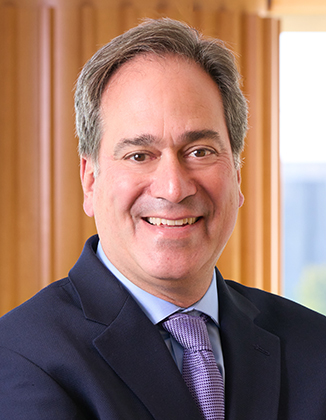
Chad Mirkin
Mirkin invented spherical nucleic acids and dip-pen nanolithography, foundational tools of modern nanoscience. As director of the International Institute for Nanotechnology he has translated discoveries into more than two thousand commercial products and several clinical stage medicines, and his structural nanomedicine concept is reshaping vaccine and cancer immunotherapy design.
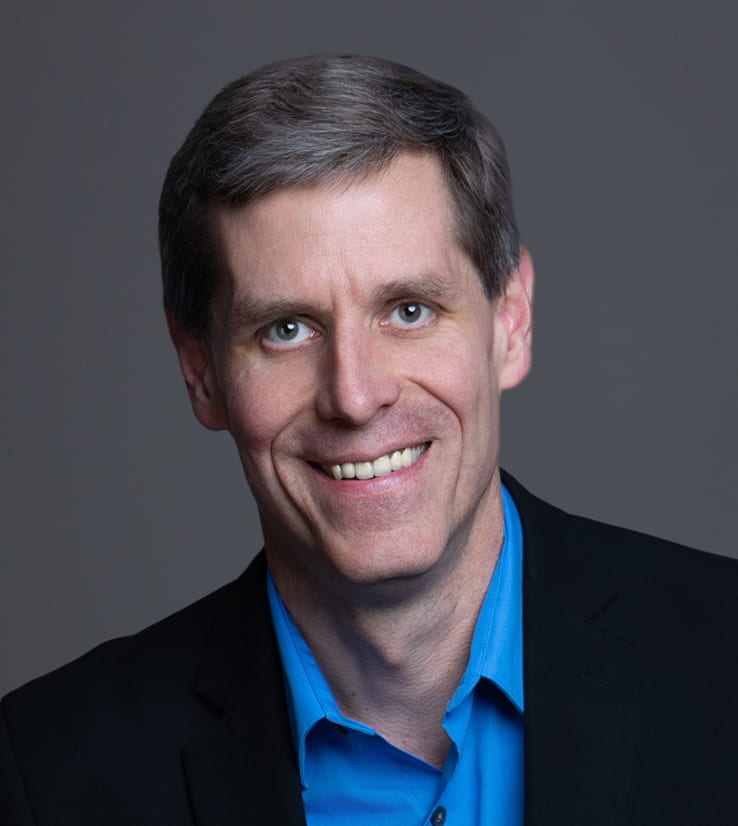
Mark Hersam
Hersam, a MacArthur Fellow and Kavli Prize laureate in nanoscience, chairs materials science at Northwestern and directs its Materials Research Center. His work on two dimensional materials and mixed dimensional heterostructures, developed with industry and national laboratory partners, is enabling neuromorphic computing devices that process information with brain like energy efficiency.
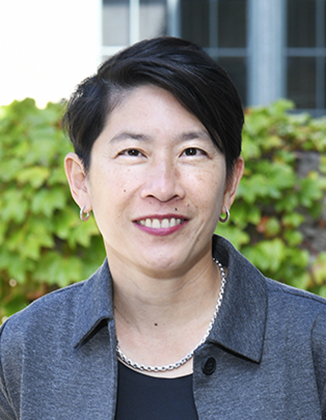
Teri W. Odom
Odom chairs Northwestern's chemistry department and serves as Editor-in-Chief of Nano Letters. Her group designs anisotropic gold nanoparticles and plasmonic nanoscale lasers, showing how particle shape controls light and biological interactions. That insight now guides collaborative efforts in drug delivery, where branched nanoconstructs evade protein fouling to reach tumour targets.