Featured academics
The researchers behind the standing
Independently verified: current affiliation, public profile and published contact confirmed from the open record.
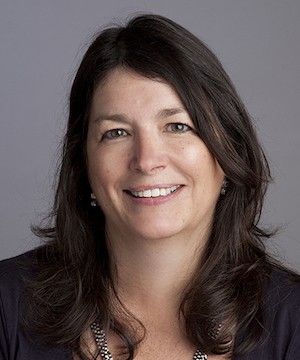
Maureen E. Raymo
Paleoclimatologist whose Uplift-Weathering Hypothesis reshaped how science explains long term global cooling and the ice ages. Working with international teams on fossil corals and deep sea sediments, she reconstructs past sea levels to sharpen projections of future rise. A National Academy of Sciences member, she was the first woman to lead Lamont-Doherty Earth Observatory.
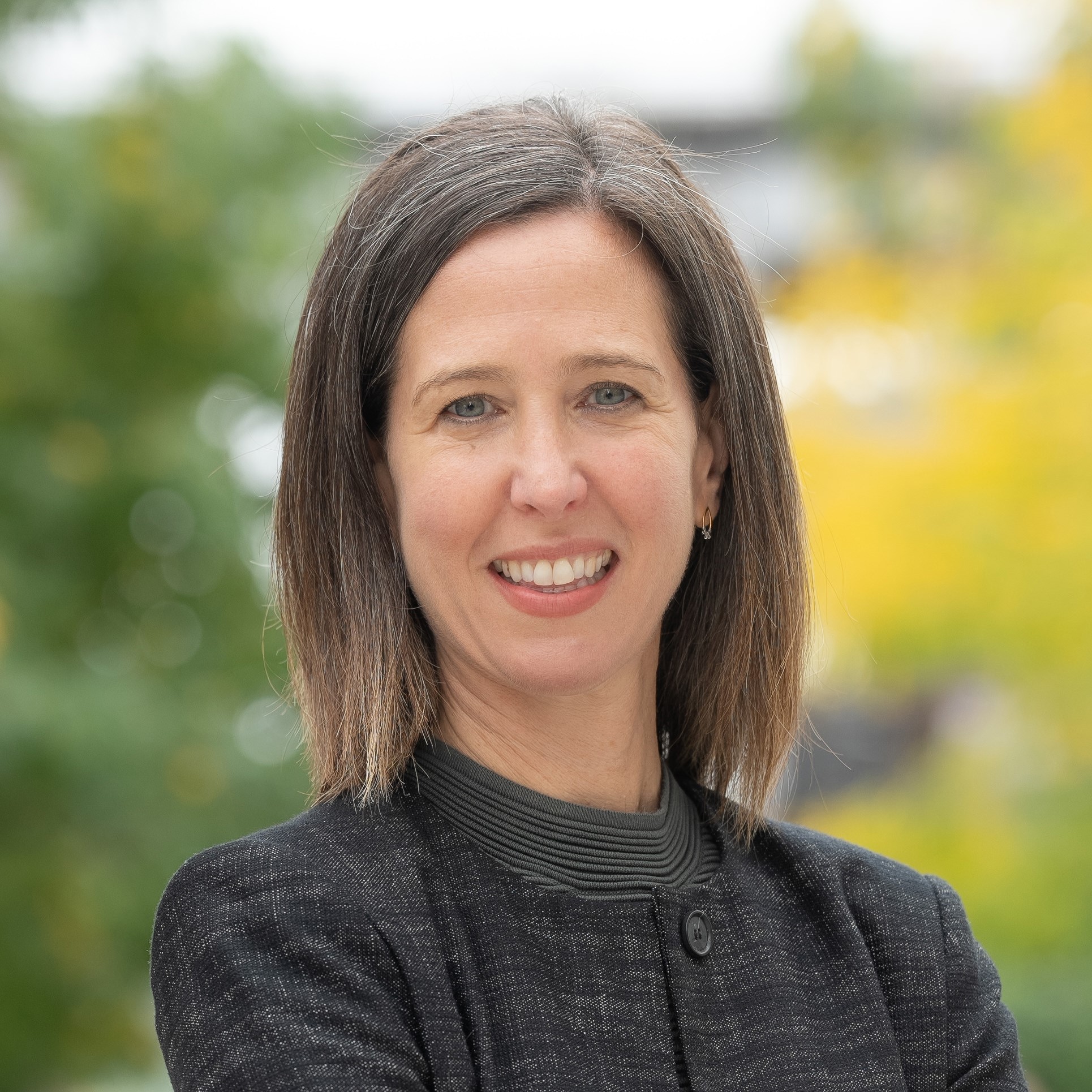
Alexis Abramson
Sustainable energy technologist who leads the Columbia Climate School, bridging thermal transport research, nanomaterials and building energy efficiency with real world deployment. She served as chief scientist in the US Department of Energy's Building Technologies Office, advised Breakthrough Energy Ventures and co-founded Edifice Analytics, a startup delivering virtual energy audits for buildings.
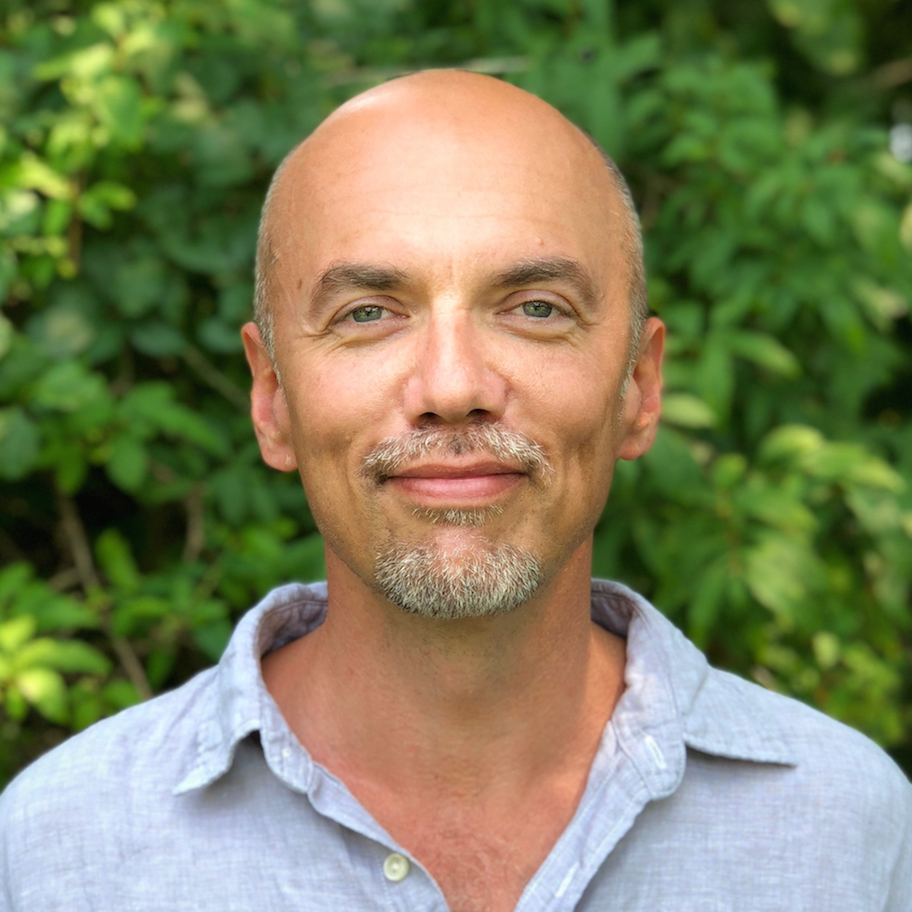
Kevin Ochsner
Social cognitive neuroscientist who maps how the brain regulates emotion. His lab pairs social psychology with functional neuroimaging to show how reappraisal, the ability to change feelings by rethinking experience, depends on prefrontal control systems. The work informs clinical approaches to anxiety and mood and collaborative research on self control and person perception.