Global Research Partnerships

Global Research Spotlight · July 2026

Five breakthroughs. Five continents.

This month, from five corners of the world, research that shifts what we know. A first-in-human step against Parkinson's from the UK. Black holes with past lives from the US. A warning from the tropics, read from orbit in Switzerland. A sharper way to decode our DNA from Singapore. And from Israel, how cancer turns our own defences against us.

Watch the two-minute briefing on this month's five breakthroughs.

A world-first step toward repairing the Parkinson's brain
Neuroscience ยท Regenerative medicine๐Ÿ‡ฌ๐Ÿ‡ง University of Cambridge · United Kingdom

A world-first step toward repairing the Parkinson's brain

Lab-grown dopamine cells, transplanted into the brain, proved safe in the first human trial, and most patients cut their medication.

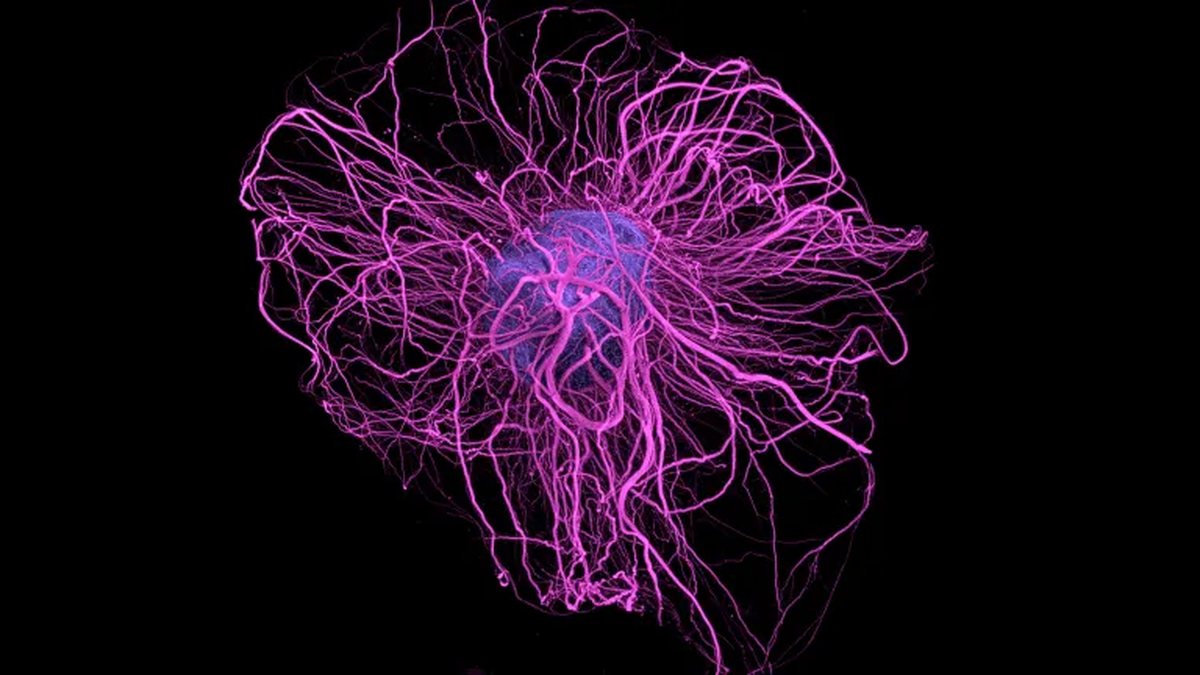
In Parkinson's disease, the brain slowly loses the nerve cells that make dopamine. The STEM-PD trial, led by Lund University with the University of Cambridge, Skåne University Hospital and UCL, has taken a landmark step: transplanting dopamine-producing cells, grown from stem cells, directly into the brains of eight patients.

A year on, seven have completed follow-up with no serious side effects linked to the transplanted cells, and six of them have substantially reduced their dopamine-replacement medication. PET brain imaging at six and twelve months showed the grafted cells surviving and taking hold. It is early, and larger trials lie ahead, but for the first time a therapy designed to replace what Parkinson's destroys has cleared its first human test.

“This represents an exciting new departure on repairing the brain of individuals with Parkinson's.”Professor Roger Barker, University of Cambridge
8 patients, first-in-human6 of 7 cut their medicationGraft survival confirmed on PET
Read the full story at cam.ac.uk →
Some black holes have had a past life
Astrophysics ยท Physics & Space๐Ÿ‡บ๐Ÿ‡ธ MIT · United States

Some black holes have had a past life

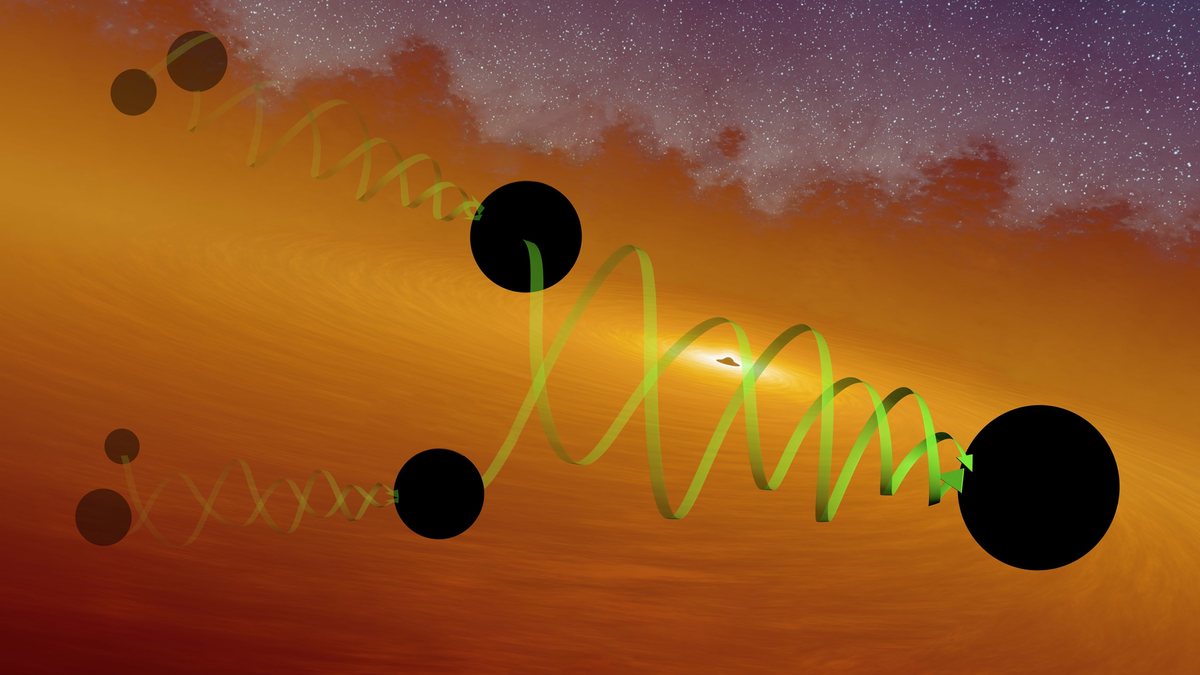
About one in seven merging black holes was itself born from an earlier collision, evidence that black holes grow by repeatedly merging.

When a massive star dies, its core collapses into a black hole. That has been the textbook origin story, but MIT physicists, working with data from the LIGO, Virgo and KAGRA gravitational-wave observatories, have found it is not the whole story.

Analysing 155 black-hole mergers, the team identified that roughly 14% were 'second-generation': black holes that had themselves formed from an earlier collision of two smaller ones. These recycled black holes carry telltale fingerprints, heavier masses of around 20 and 40-plus times the Sun, and rapid spins near 70% of the theoretical maximum. The finding neatly explains black holes too massive to have formed from a single star, and reframes the cosmos as a place where black holes climb a hierarchy, merging again and again.

“We're finding that, for some of these merging black holes, it's not their first rodeo.”Cailin Plunkett, MIT (study first author)
155 mergers analysed~14% are second-generationSpins near 70% of maximum
Read the full story at news.mit.edu →
The world's tropical forests are edging toward a heat limit
Climate science ยท Environment๐Ÿ‡จ๐Ÿ‡ญ EPFL Lausanne · Switzerland

The world's tropical forests are edging toward a heat limit

Satellite data across 200 tree species shows tropical canopies increasingly crossing the temperature at which photosynthesis begins to fail.

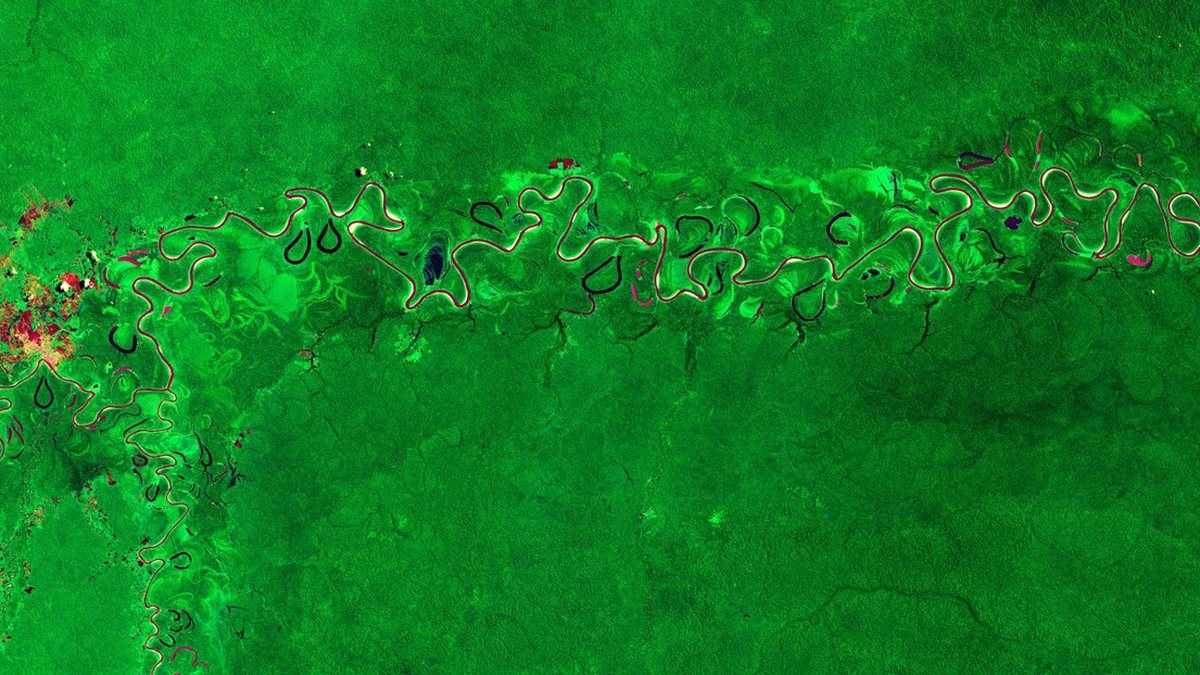
Tropical forests are one of the planet's great carbon sponges, but an EPFL study warns that heat is narrowing their margin. Using satellite observations of 200 tree species from 2001 to 2020, researchers found the area of tropical forest exceeding the temperature at which photosynthesis starts to break down grew from 43 to 57 million hectares.

Plants hold a safety margin of roughly 15°C before photosynthesis fails; warming, drought and extreme heat are eating into it. The projections are stark: on current trends the area crossing that critical threshold could reach 83 million hectares by 2050 and 160 million by 2100. As the forests lose efficiency, less carbon is absorbed and less water returns to the air, a feedback that could accelerate warming and deepen droughts far beyond the tropics.

“There is a safety margin of about 15 degrees in which plants can still do photosynthesis. This margin has narrowed significantly.”Charlotte Grossiord, EPFL
200 tree species, satellite data43 to 57M hectares (2001-2020)160M hectares projected by 2100
Read the full story at actu.epfl.ch →
A sharper lens on how our DNA is switched on and off
Genetics ยท Molecular biology๐Ÿ‡ธ๐Ÿ‡ฌ National University of Singapore · Singapore

A sharper lens on how our DNA is switched on and off

A new method from Singapore reads the whole team of proteins working together at a stretch of DNA, not just one protein at a time.

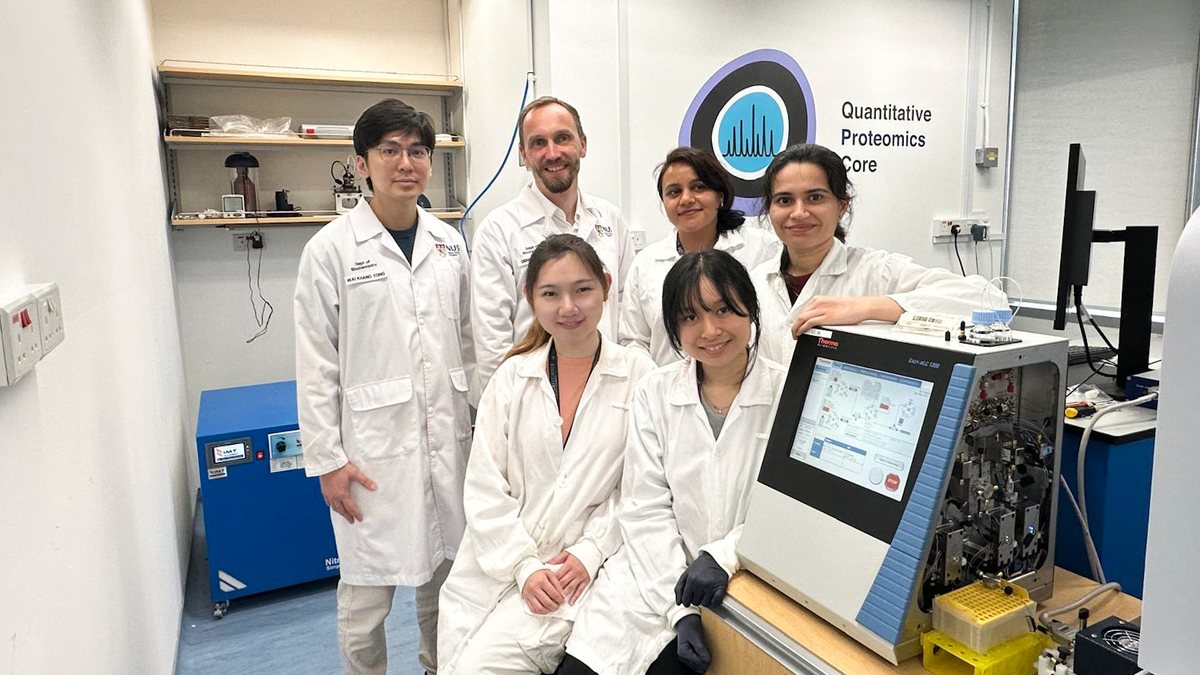
Our DNA does not act alone; it is governed by intricate teams of proteins that decide which genes switch on and off. Until now, scientists could mostly study those proteins one at a time. Researchers at the Cancer Science Institute of Singapore at NUS have built a method, qChIP-MS, that reads the whole team at once.

Published in Nature Communications, it fuses two techniques, chromatin immunoprecipitation and mass spectrometry, into a single workflow that both identifies the proteins gathered at a chosen region of DNA and measures how much of each is present. The team validated it on telomeres, the protective caps on our chromosomes, and built in safeguards against the false signals that have long dogged the field. Because faults in this machinery underlie cancer, ageing and rare disease, a clearer view of these protein complexes could open new routes to treatment.

“Our DNA is not controlled by a single protein acting alone. Instead, many proteins work together in coordinated complexes.”Dr Yong Wai Khang, NUS
Published in Nature CommunicationsReads whole protein complexesValidated on telomeres
Read the full story at news.nus.edu.sg →
How tumours turn the immune system into an accomplice
Cancer immunology๐Ÿ‡ฎ๐Ÿ‡ฑ Tel Aviv University · Israel

How tumours turn the immune system into an accomplice

Researchers show how cancer reprograms the very immune cells meant to clear it, and point to a new therapeutic target.

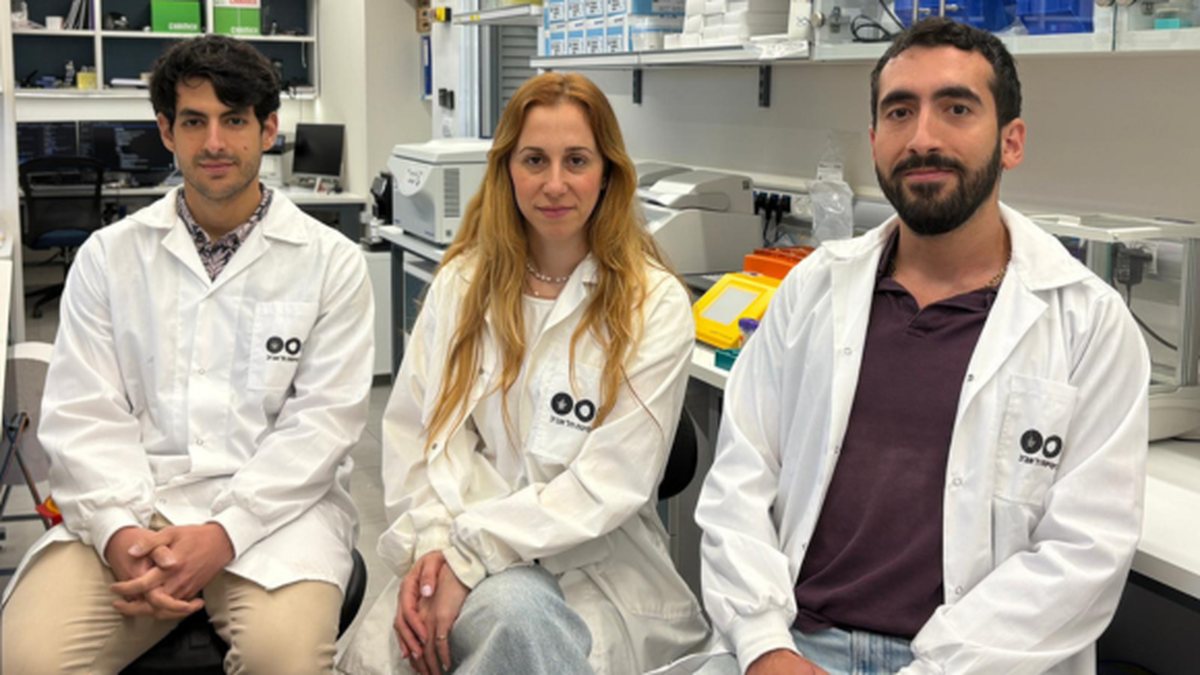
The immune system's macrophages are the body's clean-up crew, engulfing dead and dying cells, including cancer cells. But a study from Tel Aviv University's Gray Faculty of Medical and Health Sciences, published in Science Immunology, reveals a darker twist: when macrophages consume dead cancer cells, tumours can reprogram them.

Instead of fighting the cancer, the altered cells switch on genes that help it grow, even stimulating the new blood vessels that feed a tumour oxygen and nutrients. In patients, higher levels of these hijacked immune cells tracked with lower survival. The discovery exposes a mechanism cancer uses to turn the body's own defences against it, and, crucially, a target that future immunotherapies might block to restore the immune system to its proper role.

“The better we understand these mechanisms, the better equipped we will be to develop treatments that block them.”Dr Merav Cohen, Tel Aviv University
Published in Science ImmunologyImmune cells reprogrammed to feed tumoursLinked to lower patient survival
Read the full story at english.tau.ac.il →

Launching 15 September 2026

Behind every breakthrough here is collaboration. Now it is measured.

The Parkinson's trial spanned four institutions in three countries. The black-hole result drew on observatories across three continents. Great science is built together, and the Research Collaboration Index is the first global ranking of how the world's leading universities actually do it: who they work with, how widely, and how centrally, from the open global research record.

1,195universities
81countries
26.8Mco-authored works
26subject rankings

Reputation is what others say. Collaboration is what a university does. Explore your institution's profile before the world does.

Explore the Research Collaboration Index →