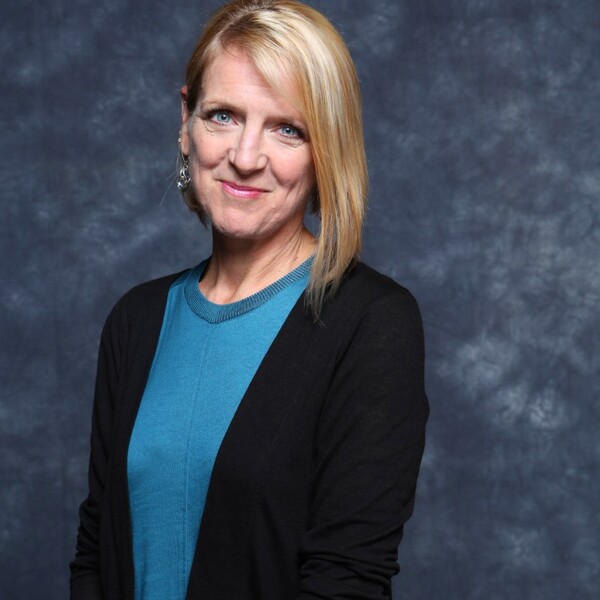
Winner · Pharmacology, Toxicology & Pharmaceutics Subject Award 2026
Rachel F. Tyndale
The finalists
Ten universities. Ten projects. Ten academics.

Russ B. Altman
Kenneth Fong Professor of Bioengineering, Genetics, Medicine and Biomedical Data Science at Stanford and founding principal investigator of PharmGKB, Russ Altman applies AI and informatics to drug action and safety. His PNAS study with UCSF, Berkeley and Mount Sinai colleagues uses functional genomics of OCTN2 variants to build a protein specific predictor for carnitine transporter deficiency.

Matthias Schwab
Professor and Medical Director of Clinical Pharmacology at the University of Tübingen and Head of the Dr Margarete Fischer-Bosch Institute of Clinical Pharmacology, Matthias Schwab advances genome informed drug therapy. As co-author of the international CPIC guideline updating CYP2D6 guided use of 5-HT3 receptor antagonists, he helps translate pharmacogenomic evidence into clinical prescribing worldwide.
Rachel F. Tyndale
Fine-mapping the CYP2A6 regional association with nicotine metabolism among African American smokers
Professor of Pharmacology and Toxicology and of Psychiatry at the University of Toronto, Canada Research Chair in Pharmacogenomics and Head of Pharmacogenetics at CAMH, Rachel Tyndale studies how drug metabolism shapes addiction. As senior author she focused the goals and coordinated the collaborations behind the Molecular Psychiatry study, led by Dr Pouget of CAMH and the University of Toronto, which fine maps CYP2A6 regional associations with nicotine metabolism among African American smokers, drawing on analytical input and shared resources from research groups in Canada, the USA, the UK and Finland.
Espen Molden
Pharmacogenomics in treatment of depression and psychosis: an update
Testing a patient's genes before choosing a drug is well established in cancer care and is now moving into psychiatry. This review summarises recent large studies pointing to real benefit and cost-effectiveness from genotyping ahead of treatment for depression and psychosis, while being candid that many of the inherited factors behind individual differences in drug response remain unidentified.
Volker M. Lauschke
Genes encoding cytochrome P450 enzymes, which metabolise many medicines, are extremely polymorphic, and particular variants serve as clinically relevant biomarkers for guiding drug selection and dosing. Drawing on sequencing data from 141,614 unrelated individuals across 12 human populations, the study updates the distribution of important variants and reveals that uncharacterised rare alleles contribute between 1.5 and 17.5 per cent of the genetically encoded functional variability.
Ryan F. Donnelly
This work examines microneedle-based biosensing, an approach that uses arrays of very small needles to sense and measure biological signals in the skin. Drawing the area together in one account matters for a field whose central ambition is to gather clinically useful information with as little invasiveness as possible.
Jennifer Furin
Nanotechnology approaches for global infectious diseases
Exploring how nanotechnology can be brought to bear on global infectious diseases, the work surveys approaches at the intersection of these two fields. Published in Nature Nanotechnology, it considers what engineering at the nanoscale might offer clinicians and researchers in confronting infections that affect populations worldwide.
Zhi Xiang Ng
The study looks at how to extract phytochemicals with health benefits from the plant Peperomia pellucida using liquid-liquid partitioning, a separation technique that sorts compounds between two solvents. Careful extraction work of this kind is the unglamorous first step that decides which plant compounds can be properly characterised and evaluated at all.
Syed Sarim Imam
Piperine is a water-insoluble bioactive compound used against a range of conditions, and that insolubility limits how it can be delivered. This study prepared piperine-loaded liposomes and then coated them with chitosan to improve adhesion to mucosal surfaces, characterising their size, charge and permeation before testing them against the MCF7 breast cancer cell line.
Fiona Measham
The work concerns cannabis found to be adulterated with the synthetic cannabinoid receptor agonist MDMB-4en-PINACA, and the part European drug checking services play in identifying it. Its attention to those services points to a practical question in drug policy: how quickly an unexpected contaminant can be detected and communicated to the people it affects.
Exclusive to partners
The 2026 Subject Awards have been decided.
Partners verify their data and feature their academics. Finalists were identified from open data; winners were decided by our editorial team and announced on 15 September 2026.
Explore partnership →The wider slate
The wider slate: more candidate partnerships behind the finalists.
Hirsutine, an Emerging Natural Product with Promising Therapeutic Benefits: A Systematic Review
Dissolvable polymer microneedles for drug delivery and diagnostics
ACG Clinical Guideline: Diagnosis and Management of Idiosyncratic Drug-Induced Liver Injury
THE CONCISE GUIDE TO PHARMACOLOGY 2021/22: G protein‐coupled receptors
Targeting mucus barrier in respiratory diseases by chemically modified advanced delivery systems
← All subject awards · The full Pharmacology, Toxicology & Pharmaceutics index →