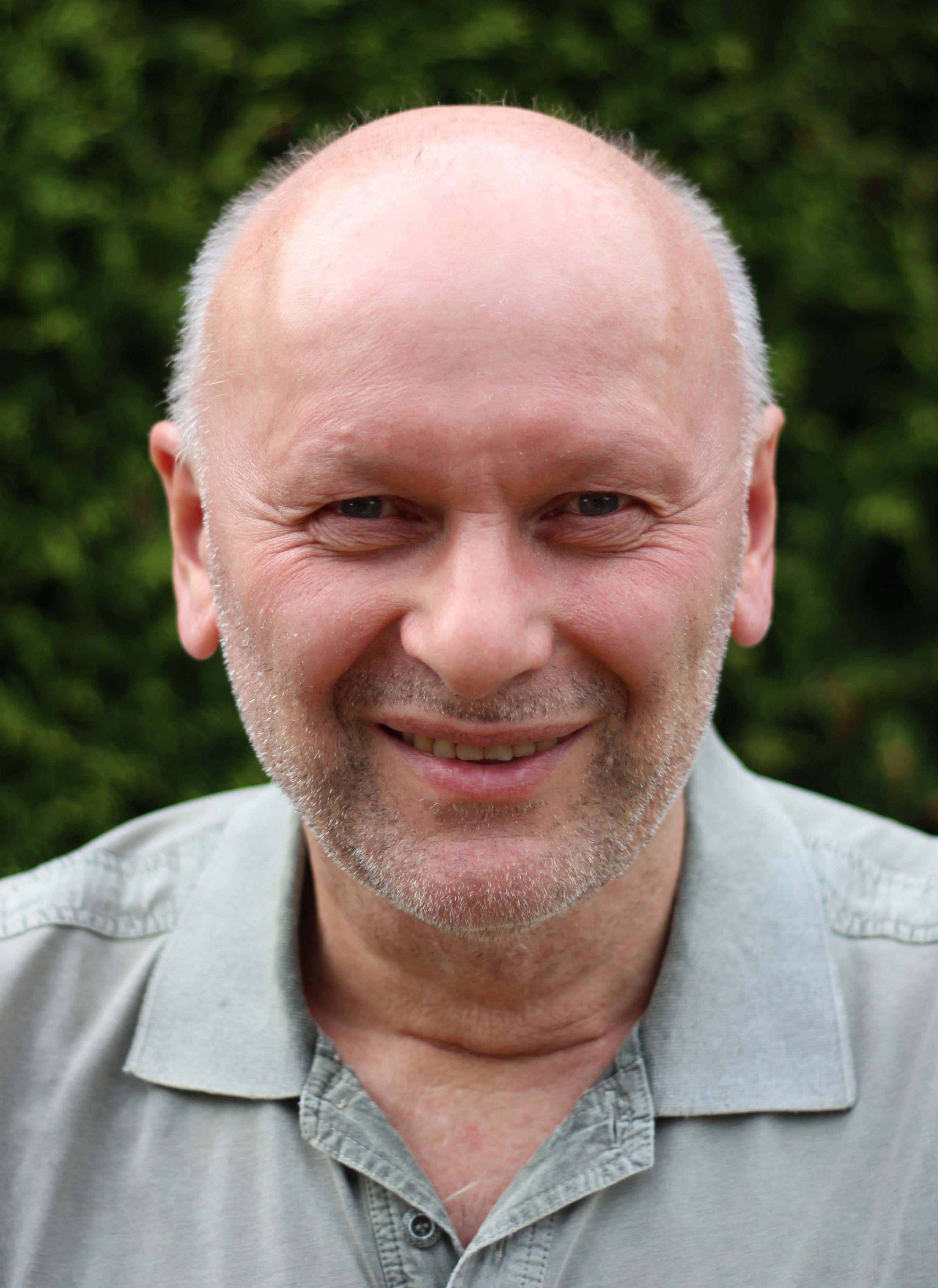
Winner · Agricultural & Biological Sciences Subject Award 2026
Yakov Kuzyakov
“Greenhouse gas emissions and mitigation in rice agriculture”
The finalists
Ten universities. Ten projects. Ten academics.

Rachel Creamer
Soil multifunctionality: Synergies and trade-offs across European climatic zones and land uses
Professor Creamer chairs the Soil Biology Group at Wageningen and studies how soil biota underpin ecosystem functioning. Her co-authored European study quantifies synergies and trade-offs between five soil functions, from primary productivity to climate regulation, across European climatic zones and land uses, providing an evidence base for managing soil multifunctionality.
Johan Six
Long-term evidence for ecological intensification as a pathway to sustainable agriculture
Professor Six studies the feedbacks between agroecosystem management, biogeochemical cycling and food system functioning. He co-authored a Nature Sustainability analysis of thirty long-term experiments across Europe and Africa showing that ecological intensification can complement or partially substitute external inputs, providing long-term evidence for more sustainable pathways in agricultural production.
Yakov Kuzyakov
“I am especially proud of our innovative, process-based concepts of soil functioning, particularly the rhizosphere priming effect and the 'microbial hotspots and hot moments' framework, demonstrating how roots, microorganisms, and nutrient availability dynamically regulate soil carbon and nutrient cycling.”
Greenhouse gas emissions and mitigation in rice agriculture
The work examines greenhouse gas emissions from rice agriculture and the approaches available for reducing them. Written as a review, it brings together what is known about emissions in rice systems and the mitigation options open to farmers and policymakers, in a crop that feeds a large share of the world's population.
Adam F. A. Pellegrini
Global stocks and capacity of mineral-associated soil organic carbon
Much of the carbon held in soil is bound to minerals, and this study puts numbers on how much is there and how much more could fit. Analysing 1,144 soil profiles from around the world, the team estimate 899 petagrams of carbon stored to a depth of one metre, and find that agricultural regions and deeper layers sit furthest from their storage capacity.
Karin Ljung
Plant roots sense soil compaction through restricted ethylene diffusion
Why do roots struggle in compacted ground? The team show the obstacle is chemical rather than purely physical: compacted soil slows the escape of the plant hormone ethylene, so it builds up around root tissues and triggers signalling that halts growth, which makes gas diffusion a readout of soil compaction for a growing root.
Kadambot H. M. Siddique
Returning crop straw to the field is a widespread practice, and this work compares different ways of doing it. The study examines how soil organic carbon, total nitrogen and available nutrients respond under contrasting straw returning methods, alongside the effect on yield, offering evidence relevant to farmers deciding what to do with crop residues.
Imtiyaz Khanday
Seed germination and vigor: ensuring crop sustainability in a changing climate
Every crop begins with a seed that must germinate reliably, and this work addresses germination and seedling vigour as a foundation for crop sustainability. It considers those traits in the context of a changing climate, where the conditions a seed meets after sowing are becoming harder to predict from one season to the next.
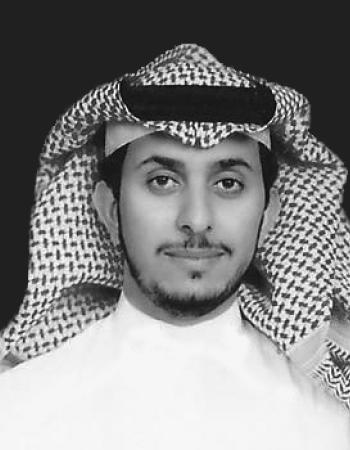
Mohammad I. Al-Wabel
Professor Al-Wabel leads research on environmental soil chemistry at King Saud University, where he founded the Saudi Biochar Research Group. His co-authored Scientific Reports study assesses the sources, toxicity potential and human health risks of heavy metal laden soils and dusts around industrial and mining areas, informing safer land management in arid environments.
R. Toby Pennington
The Andes through time: evolution and distribution of Andean floras
Stretching from tropical rainforest to alpine habitat, the Andes hold extraordinary plant diversity, and this synthesis sets out to count and map it. The team compile at least 28,691 georeferenced species documented to date, identify northern Andean cloud forests as the richest ecosystems, and show the range has acted as both a source and a sink for Neotropical plant diversity.
Marcel G. A. van der Heijden
Organic and conservation agriculture promote ecosystem multifunctionality
Drawing on a long-term farming experiment, the study compared the agronomic, economic and ecological performance of Europe's most widespread arable cropping systems across 43 agroecosystem properties. It found that organic and conservation agriculture promote ecosystem multifunctionality, enhancing biodiversity preservation, soil and water quality and climate mitigation, evidence that farming systems can be judged on far more than yield alone.
Exclusive to partners
The 2026 Subject Awards have been decided.
Partners verify their data and feature their academics. Finalists were identified from open data; winners were decided by our editorial team and announced on 15 September 2026.
Explore partnership →The wider slate
The wider slate: more candidate partnerships behind the finalists.
Global urban environmental change drives adaptation in white clover
Fly Cell Atlas: A single-nucleus transcriptomic atlas of the adult fruit fly
Large potential for crop production adaptation depends on available future varieties
The contribution of aquaculture systems to global aquaculture production
Global soil profiles indicate depth-dependent soil carbon losses under a warmer climate
The ZAR1 resistosome is a calcium-permeable channel triggering plant immune signaling
Genetic Diversity, Conservation, and Utilization of Plant Genetic Resources
Global urban environmental change drives adaptation in white clover
An integrated framework of plant form and function: the belowground perspective
← All subject awards · The full Agricultural & Biological Sciences index →